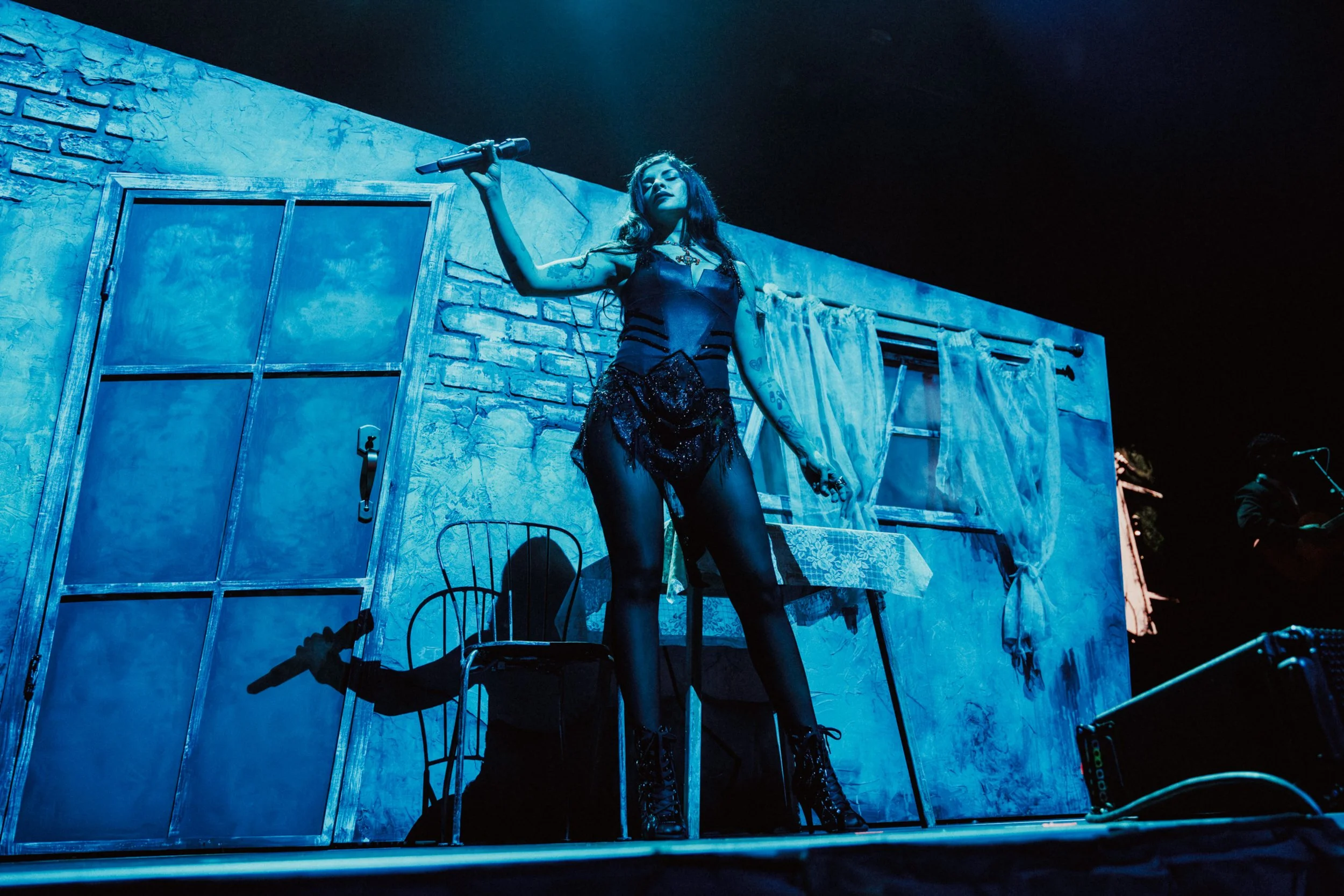
The Duality of Cazzu: Argentinian Superstar Brings Latinaje Tour to San Antonio
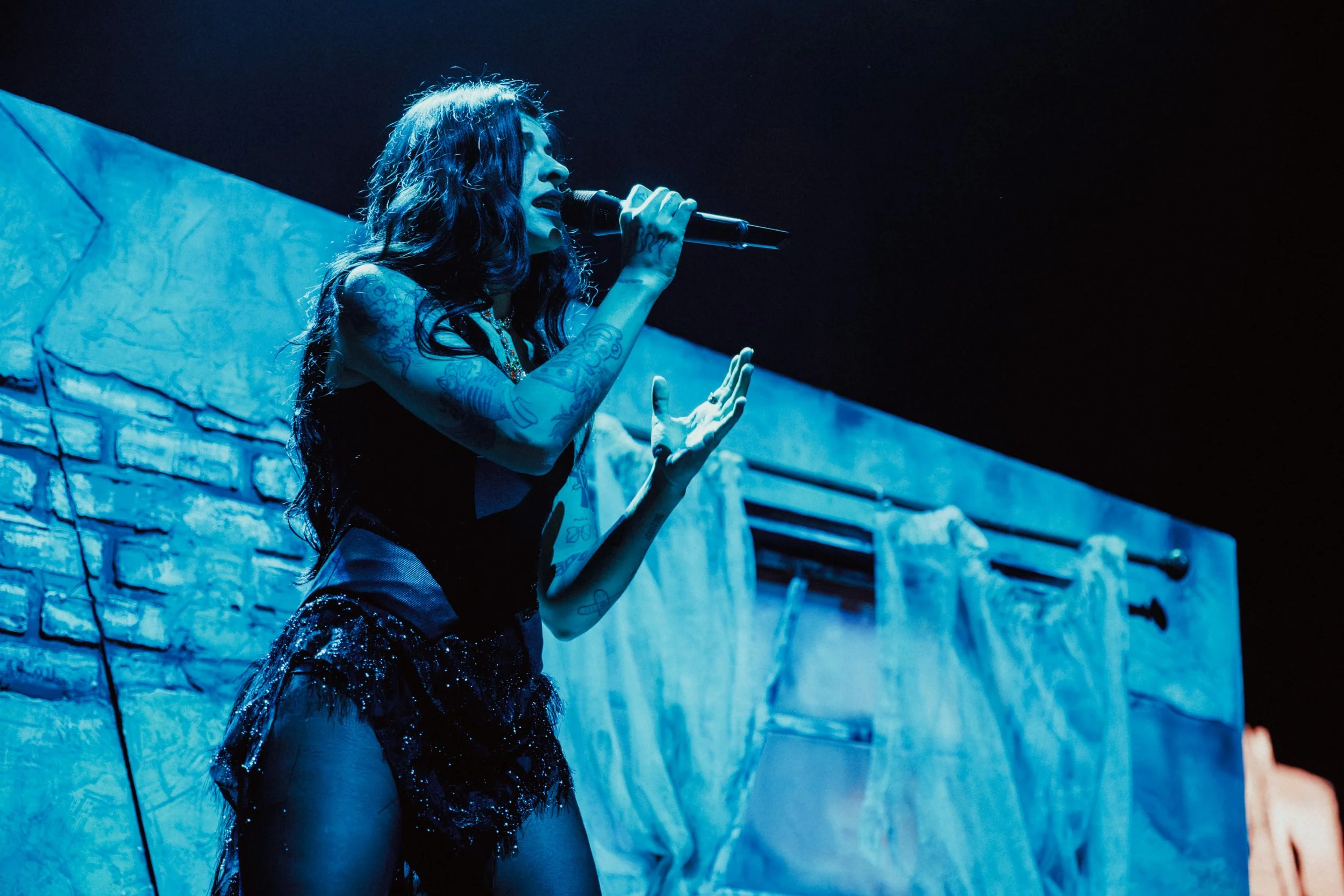
Photos by Alejandra Sol Casas
Earlier today, I had to sit through a painfully lame team-building exercise at work where everyone shared their favorite quote. Someone quoted The Little Prince: “I must endure the presence of a few caterpillars if I wish to become acquainted with the butterflies.” Later that same day, the quote came back to me as I watched Cazzu perform in concert.
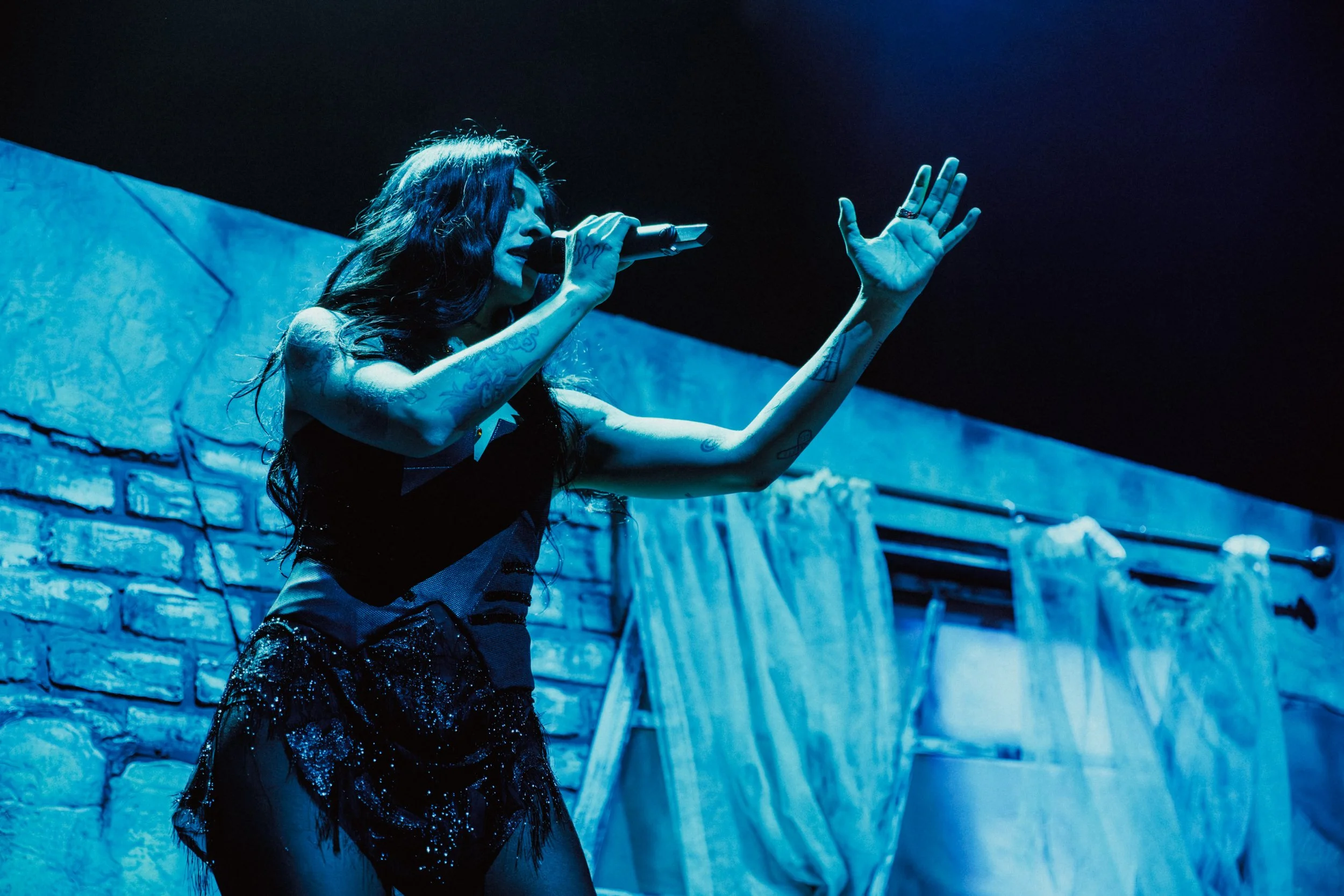
Fresh off the release of her debut book, Perreo: una revolución, and her acting debut in the magical realism feature film Risa y la cabina del viento, and in the middle of her first-ever United States tour, Cazzu arrived in San Antonio. Her sold-out stop on the Latinaje Tour at Boeing Center at Tech Port was equal parts theatrical production and autobiography.
Emerging from Argentina’s trap explosion, her music has always balanced menace with tenderness: gothic aesthetics, heavy beats, and untamed lyrics softened by a dulce voice layered over heartbreak, sexual liberation, and femininity wielded as both armor and weapon. But Latinaje marks a noticeable shift. The project leans heavily into Latin American identity, regional sounds, and storytelling, expanding her scope beyond the trap music that first made her famous.
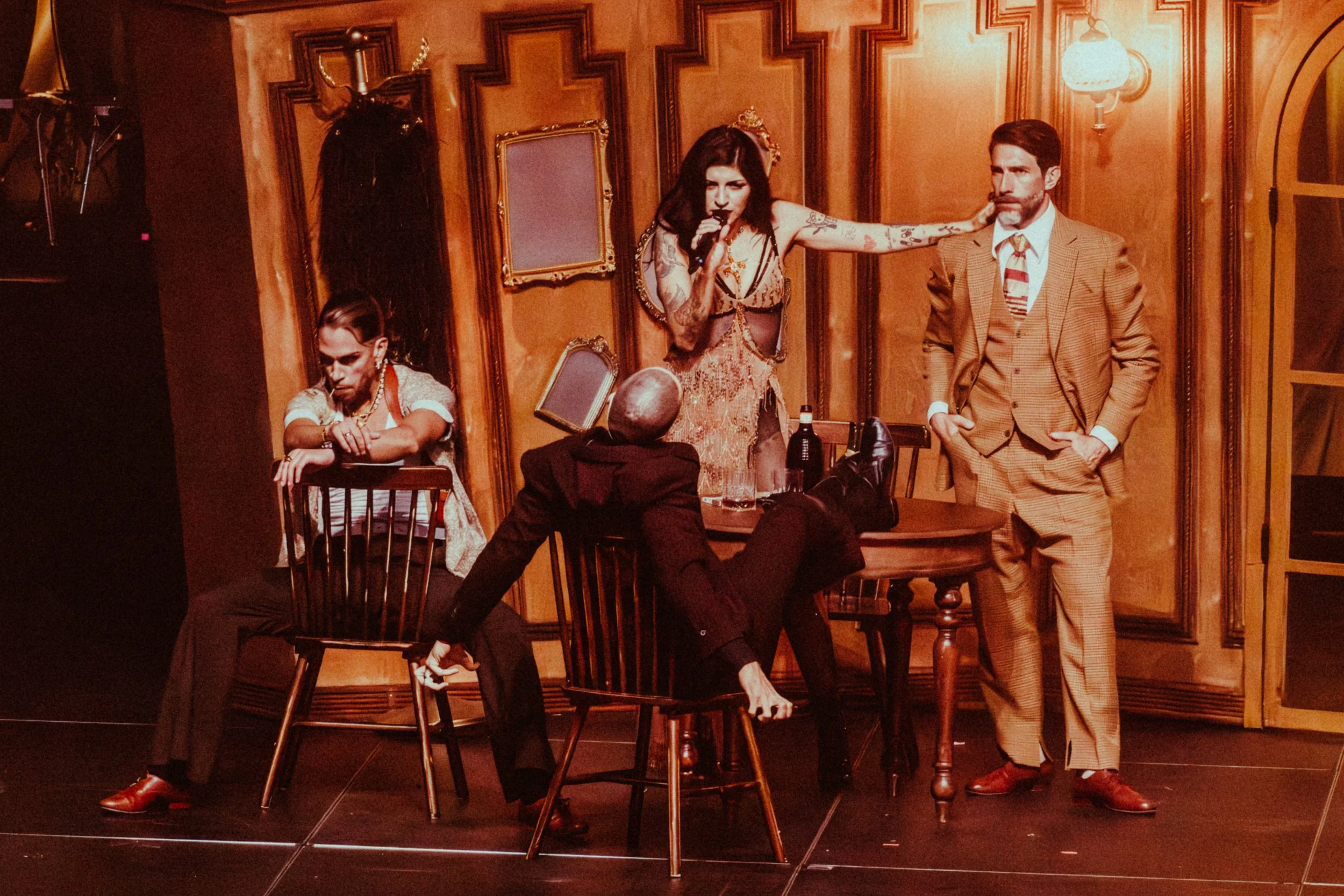
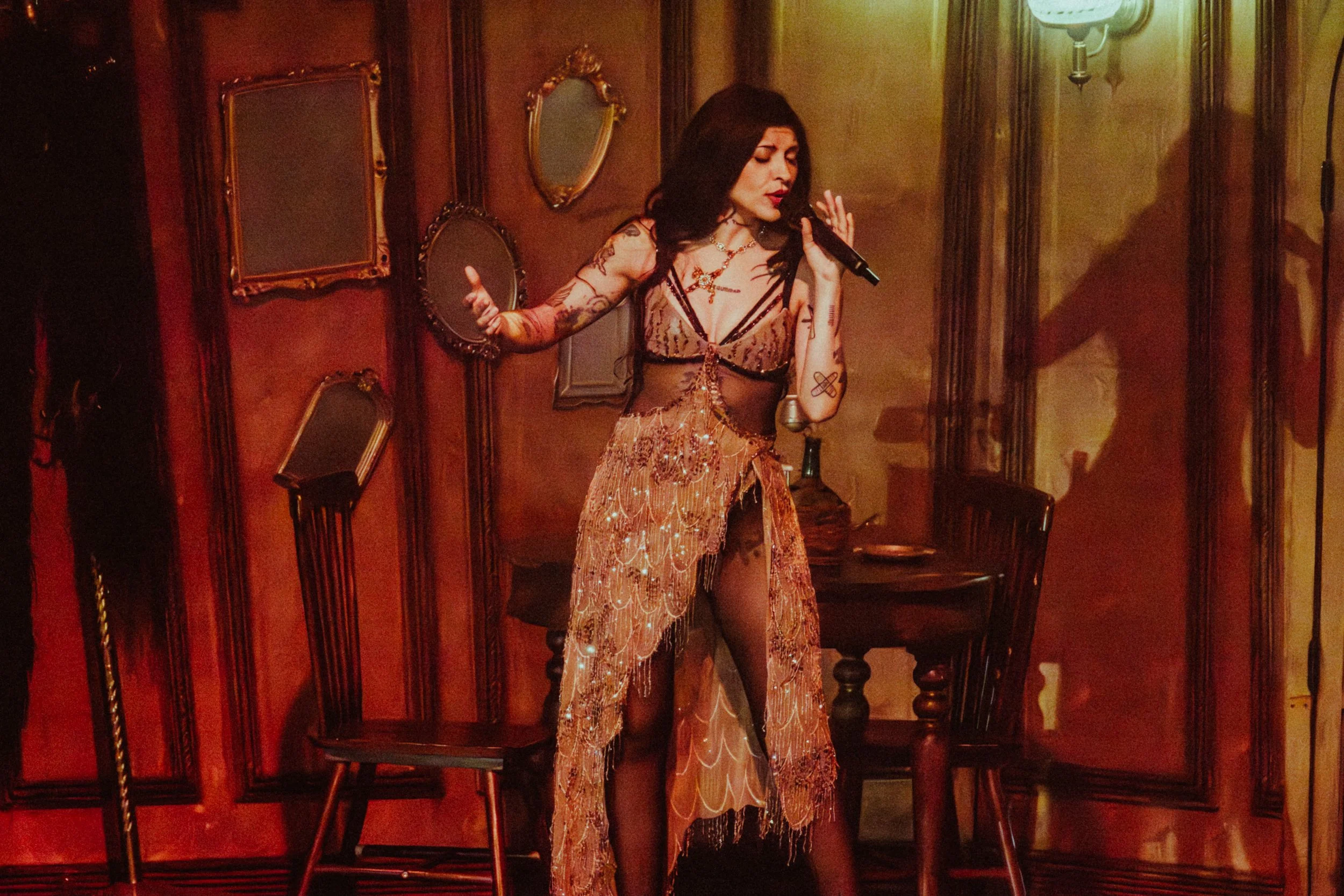
Rather than opening with a conventional performance, the first half of the show unfolded like live cinema. Cazzu appeared not as herself, but as a fictionalized 1920s mob-wife archetype draped in old Hollywood glamour and quiet danger. She was “la jefa” incarnate. Orchestral, tango-infused reinterpretations of songs like Odiame, La Jefa, Mucha Data, and Chapiadora turned her catalog into narrative devices carrying a storyline of heartbreak, vengeance, and triumph. Grainy noir-inspired projections announced song titles, while smoky lighting, vintage Prohibition-era props, sequined gowns, and choreography reminiscent of silent-era crime dramas completed the illusion.
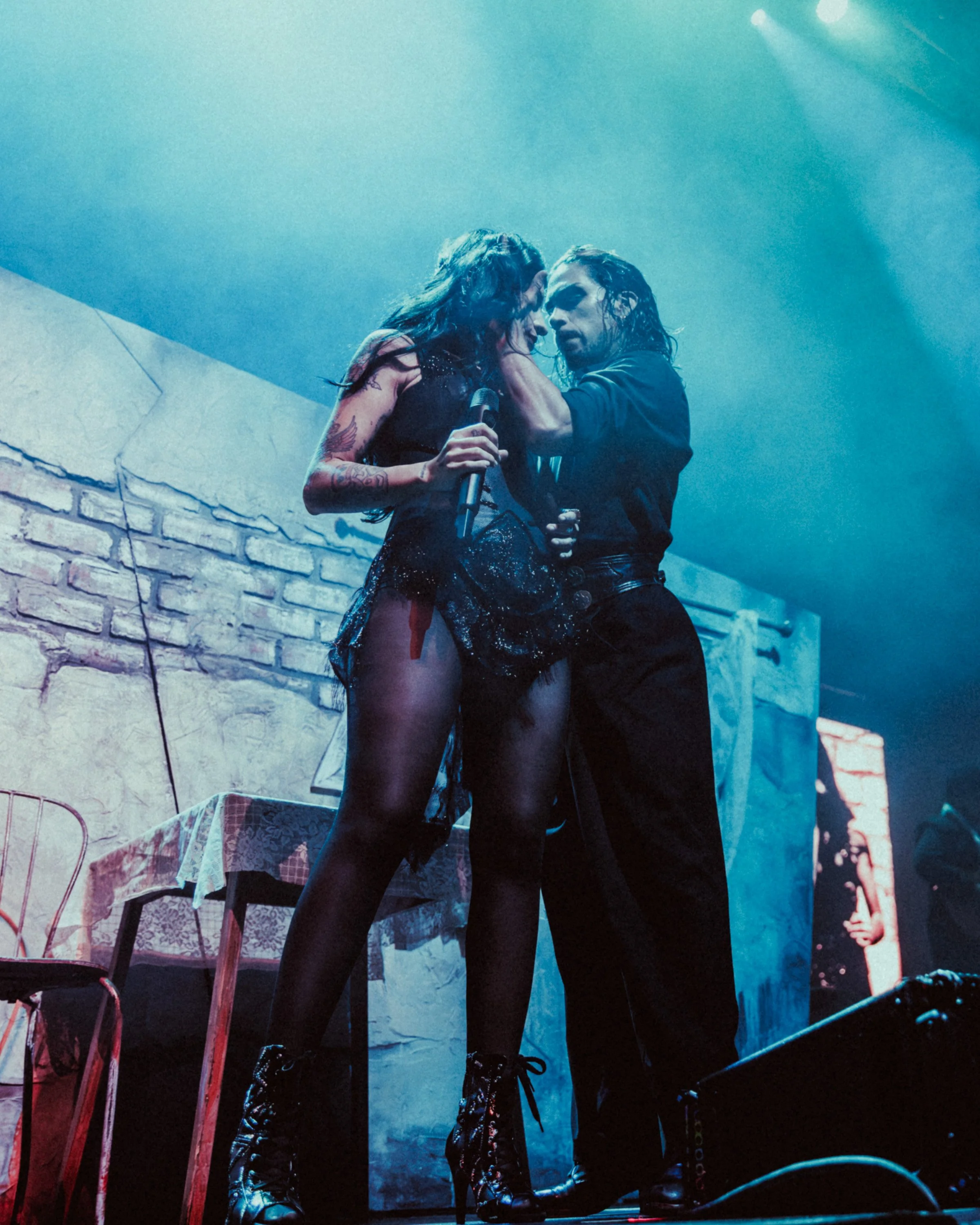
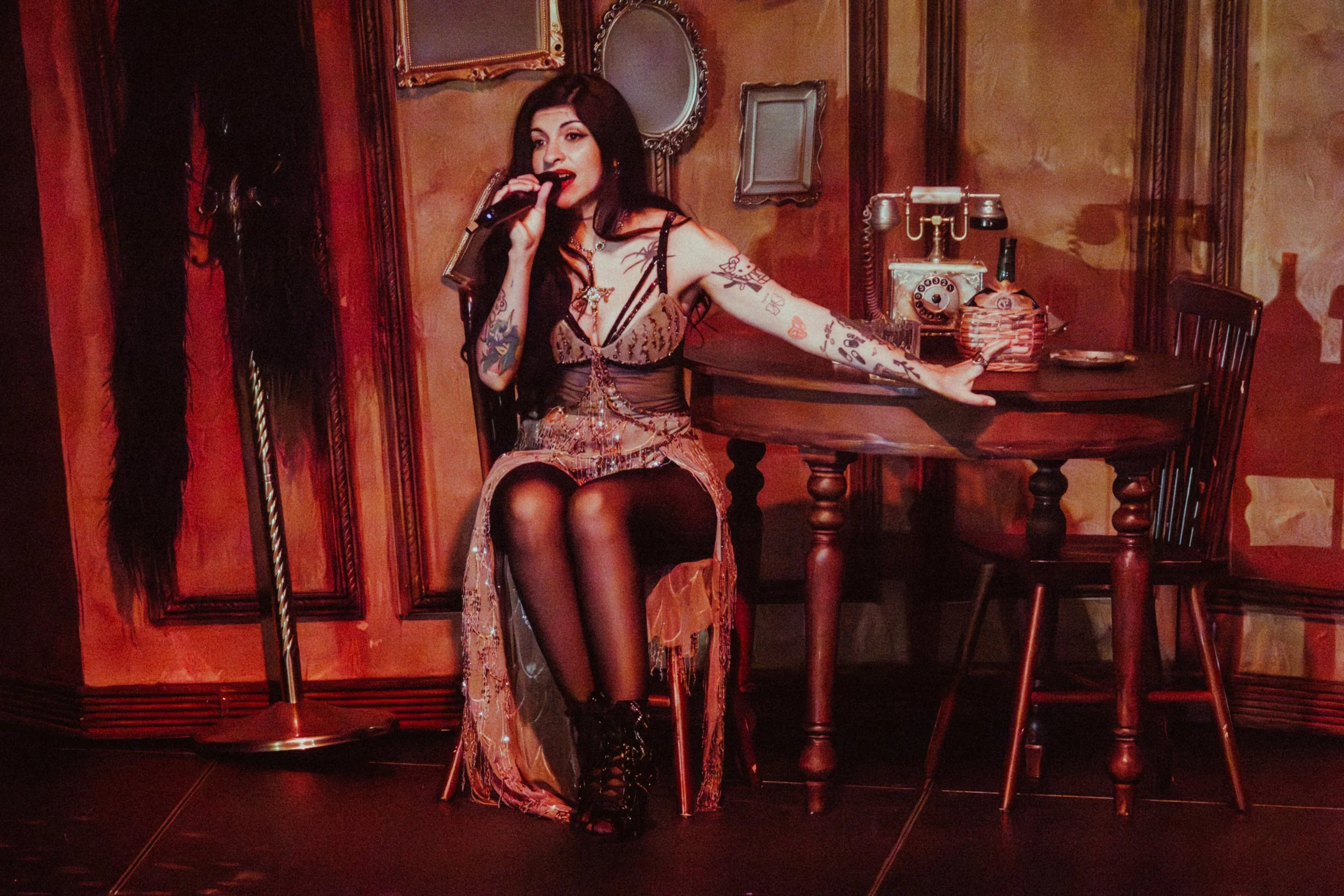

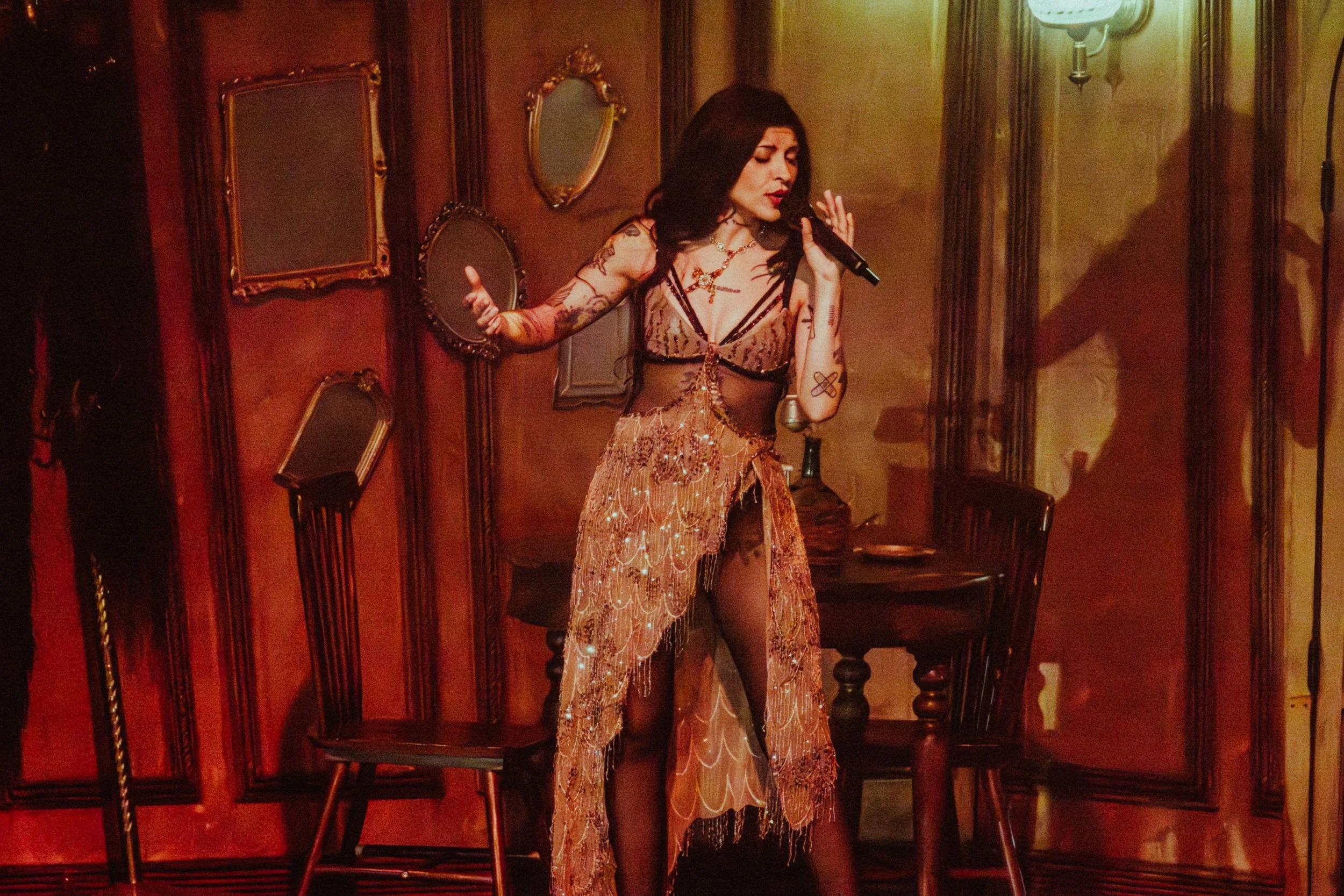
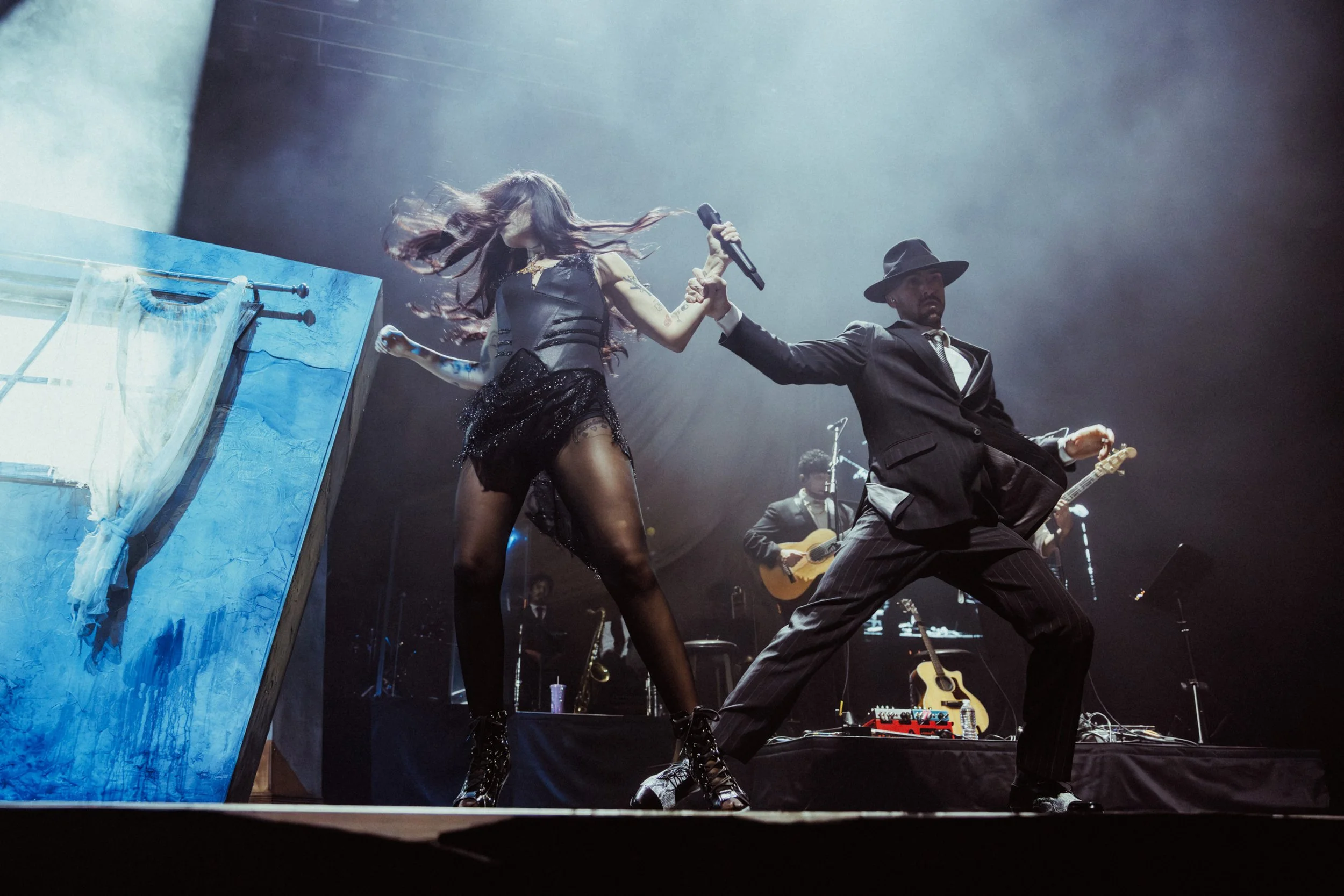
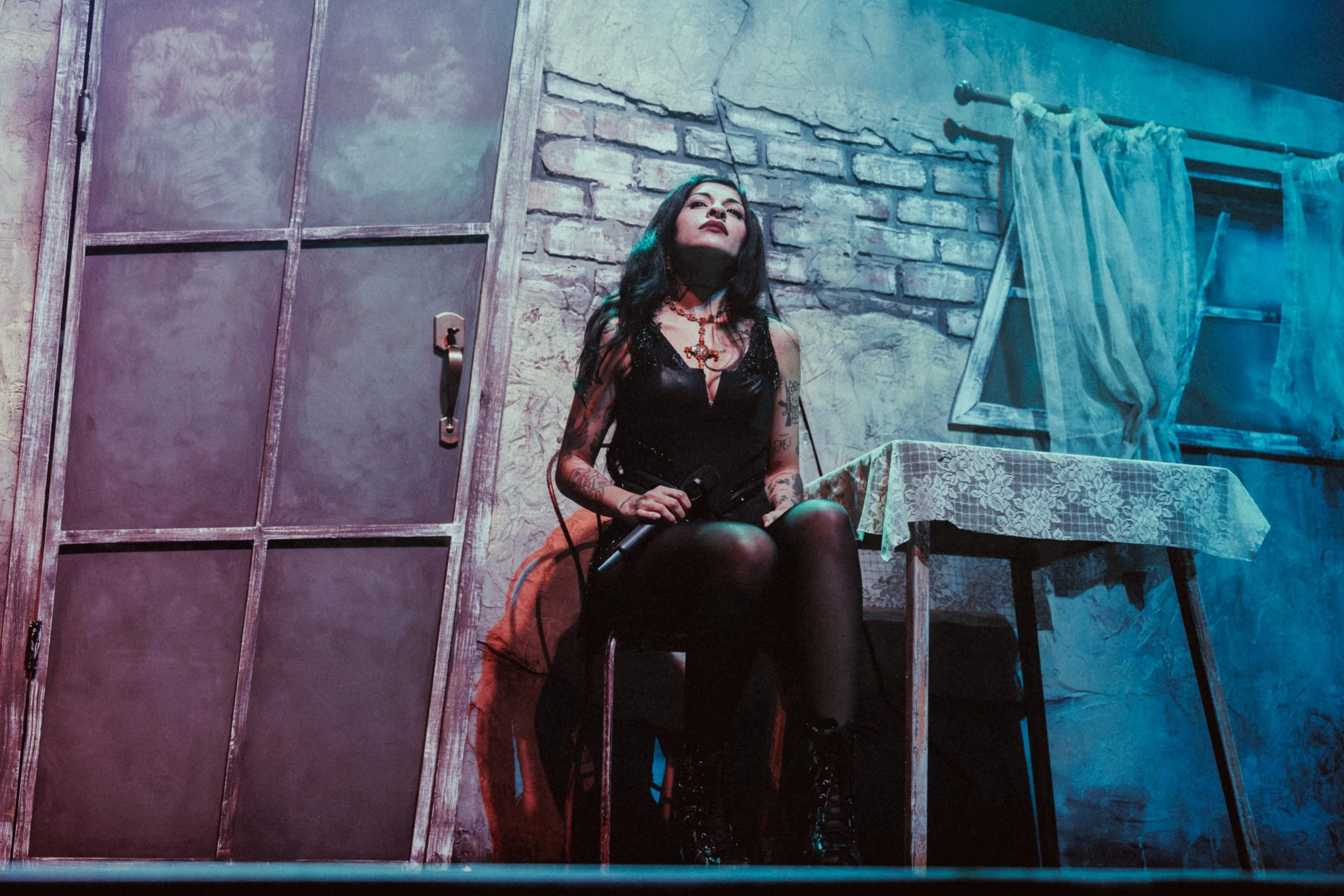
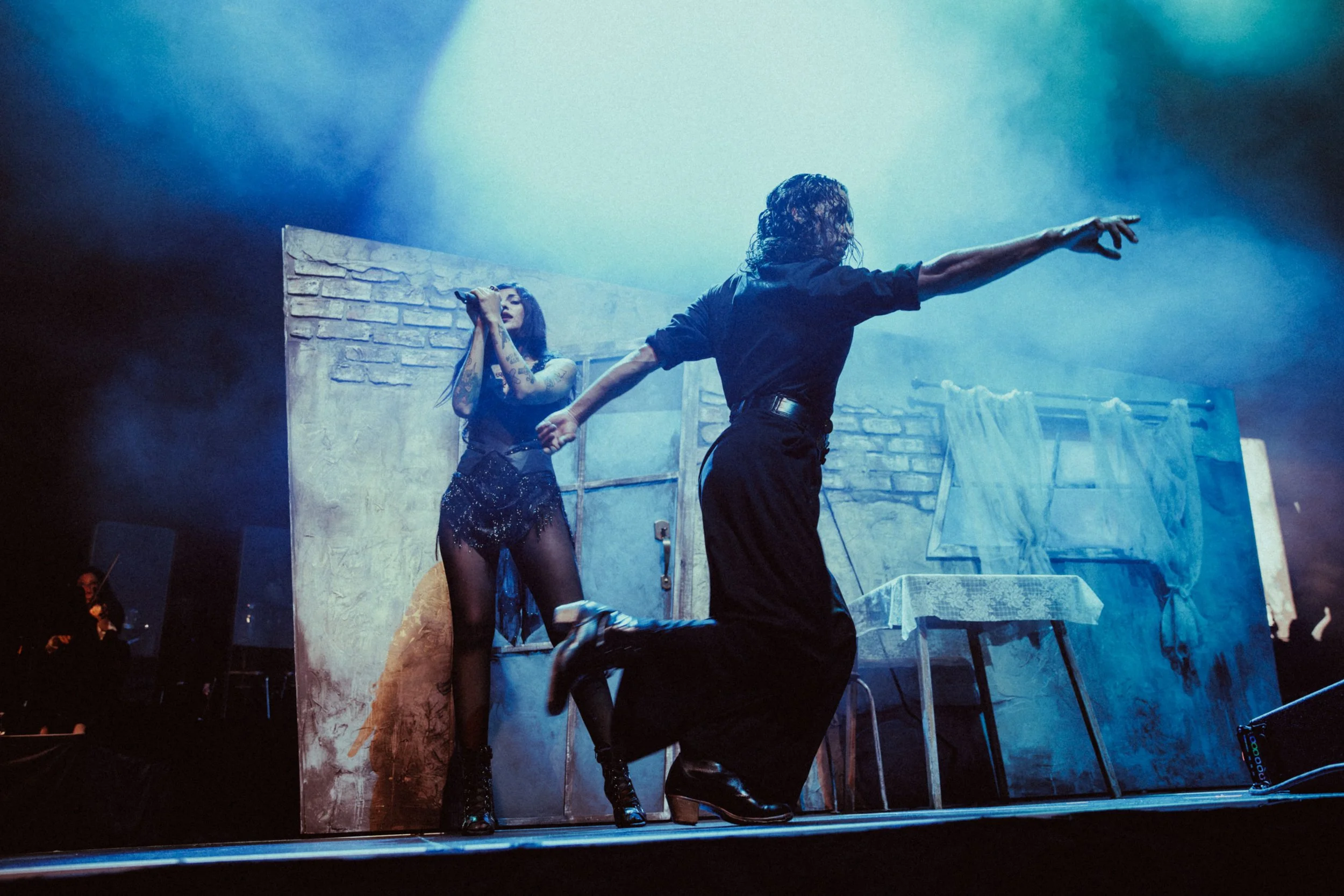
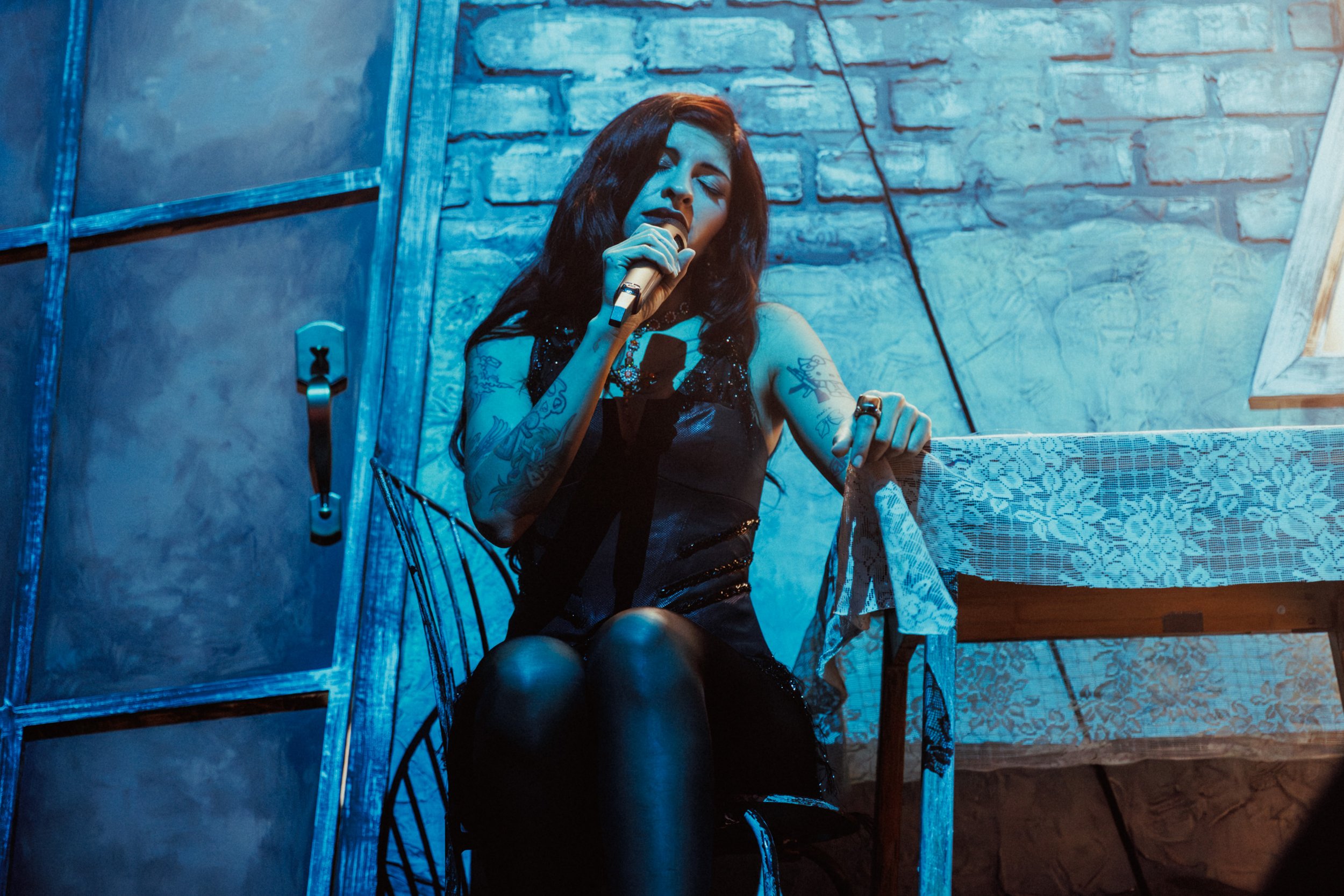
Then, midway through the evening, the word “Fin” appeared across the screen, and the illusion dissolved.
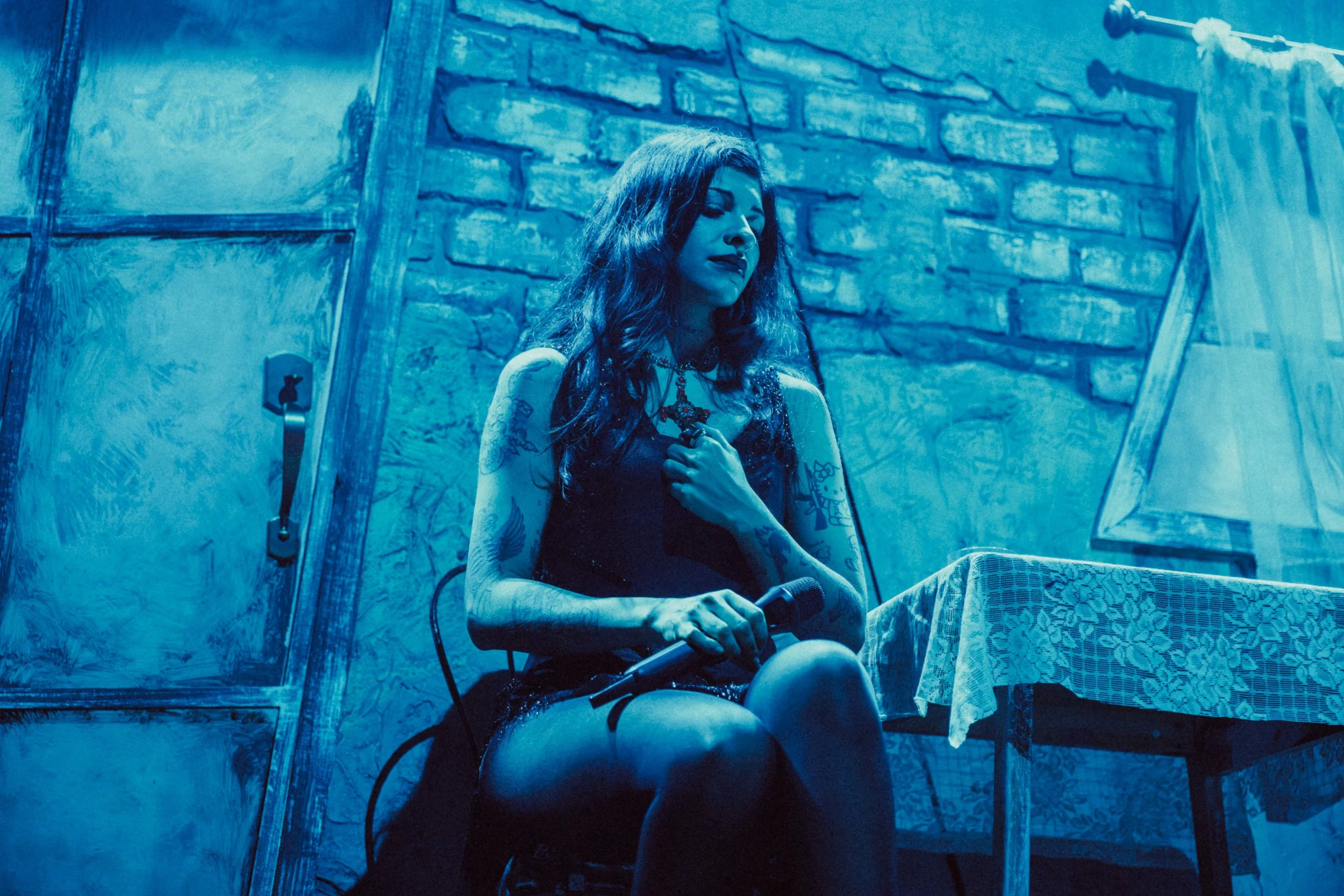
The second half stripped away the character work and presented Cazzu as herself. Addressing the audience for the first time, she said, “Hola, mi nombre es Julieta, pero me dicen Cazzu.”
She guided the crowd through songs centered on motherhood and personal reinvention, including Inti—named after and inspired by her daughter—and La Cueva. She spoke about Argentina, the cultural references in songs like Jujuy Estrellado, and reconnecting with her country and identity.
The shift from alter ego to self worked because it mirrored the trajectory of her career. For years, Cazzu has cultivated a reputation for badassery as the queen of trap while navigating public scrutiny, misogyny, and relentless media attention tied to a romance with a man not worth naming. Through personal upheaval, she has continued to evolve creatively, which is why this tour feels like a declaration of autonomy, allowing her to finally reclaim her narrative on her own terms. She no longer feels the need to hide behind walls; instead, she simply lets people in while setting the record straight. “Yo sé que hay rumores de mí por allí, espero que no los crean,” she told the crowd while reflecting on the beauty of life and how much time people waste on their phones.
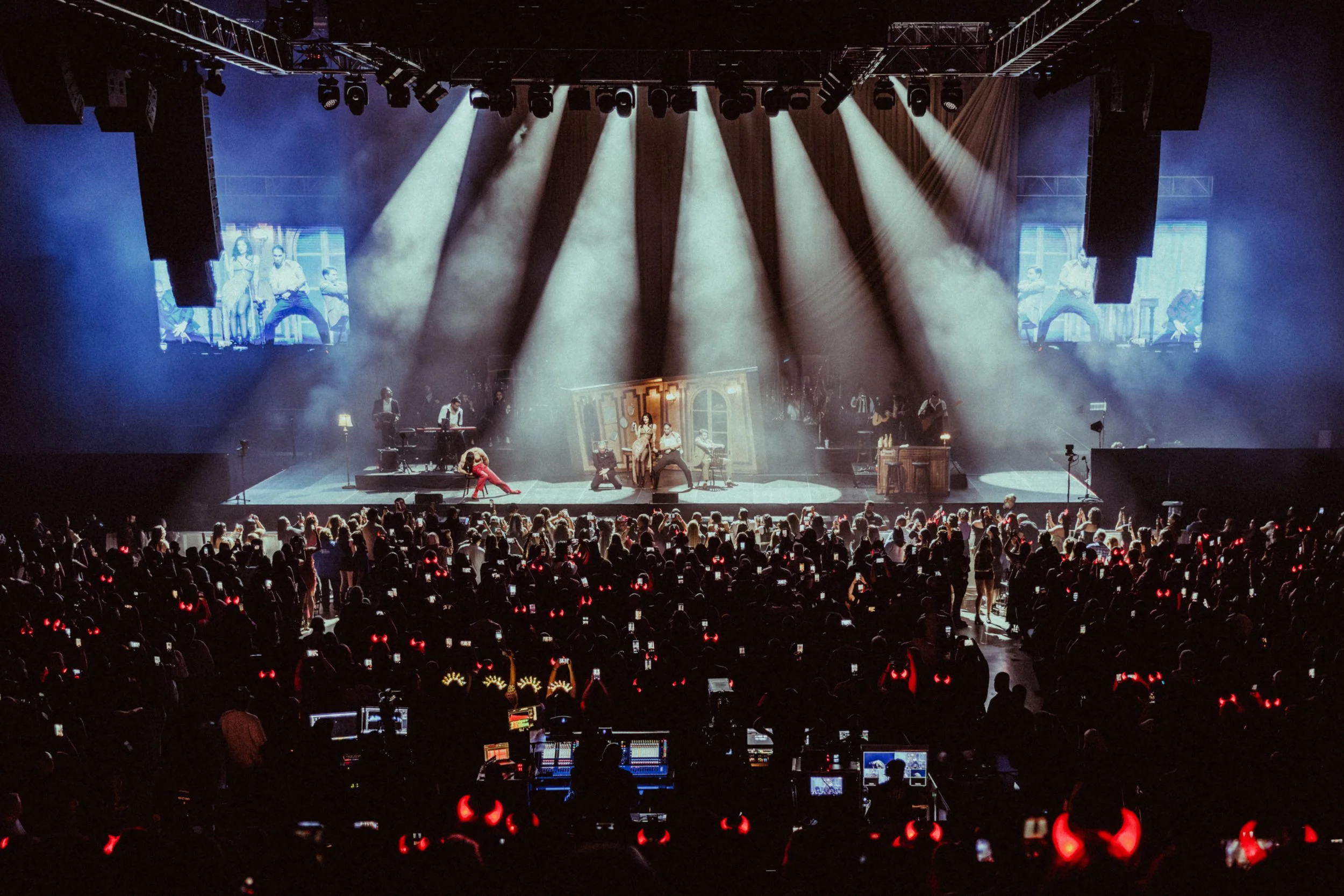
She explained that she tries to pay tribute to artists from every country she visits on tour, and in San Antonio, she surprised the audience with a guest appearance by A.B. Quintanilla. Together, they performed two Selena covers along with her song “Con Otra.”

But perhaps the most striking part of the night was the audience itself.
Taking place over Mother’s Day weekend, the crowd reflected the emotional breadth of Cazzu’s music and career. Mothers stood beside daughters and granddaughters, groups of women spanning generations, singing and dancing together and vastly outnumbering the men in attendance. Fans organized their own visual tributes throughout the show: glowing red devil horns illuminated the arena in homage to Dolce, while yellow balloons floated through the crowd during Inti, a touching nod to the symbolism behind her daughter’s name, which means “sun.” “Me encariña tanto ver sus demostraciones de cariño con sus cuernitos y globos,” Cazzu said warmly.
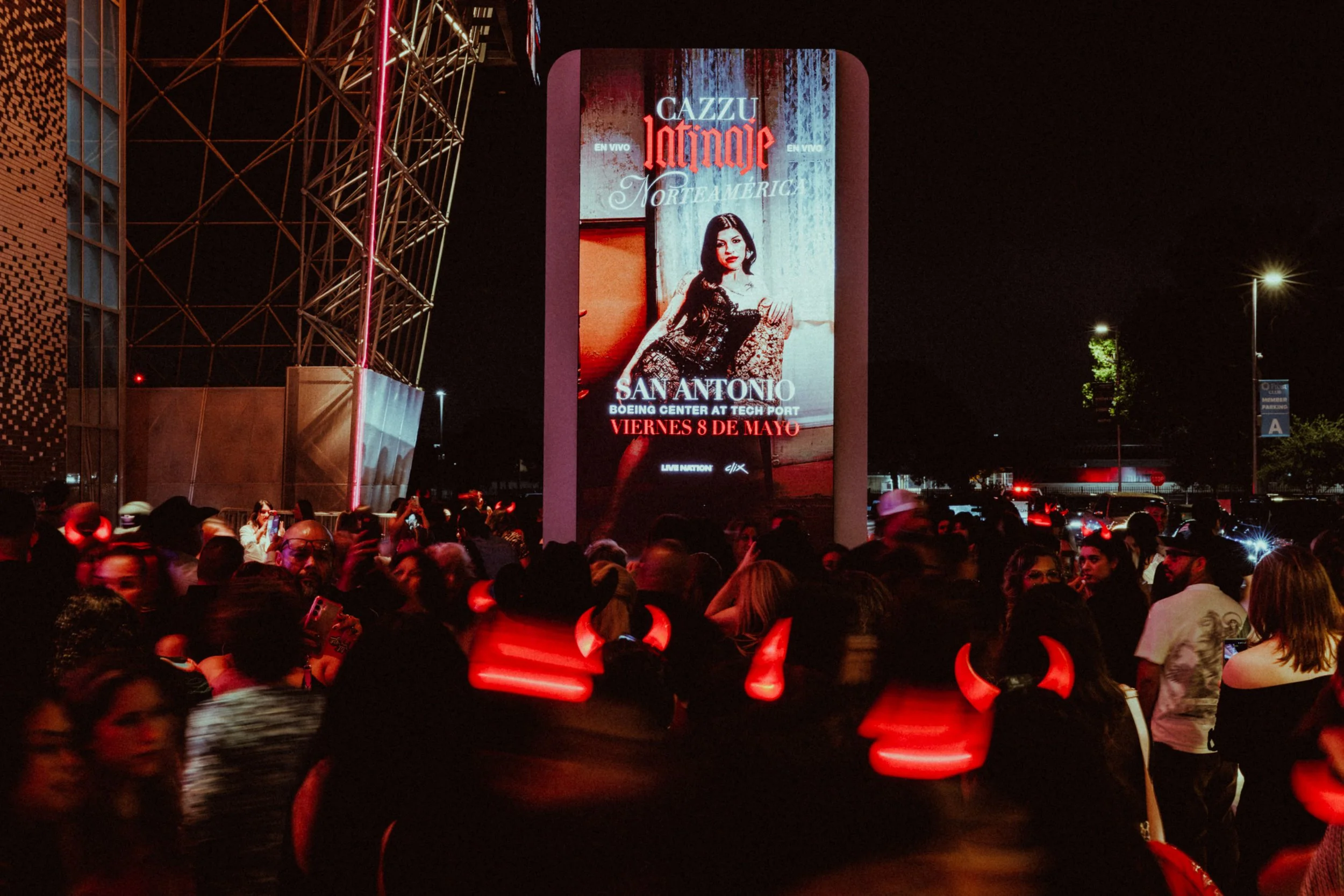

In many ways, those fan tributes brought the quote from earlier that day full circle. Cazzu’s career has been shaped by scrutiny, reinvention, heartbreak, and transformation, and yet what emerged onstage was something softer, more open, and fully self-possessed. The sharp-edged trap star and the deeply tender woman beneath the persona existed side by side, caterpillars and butterflies all at once.